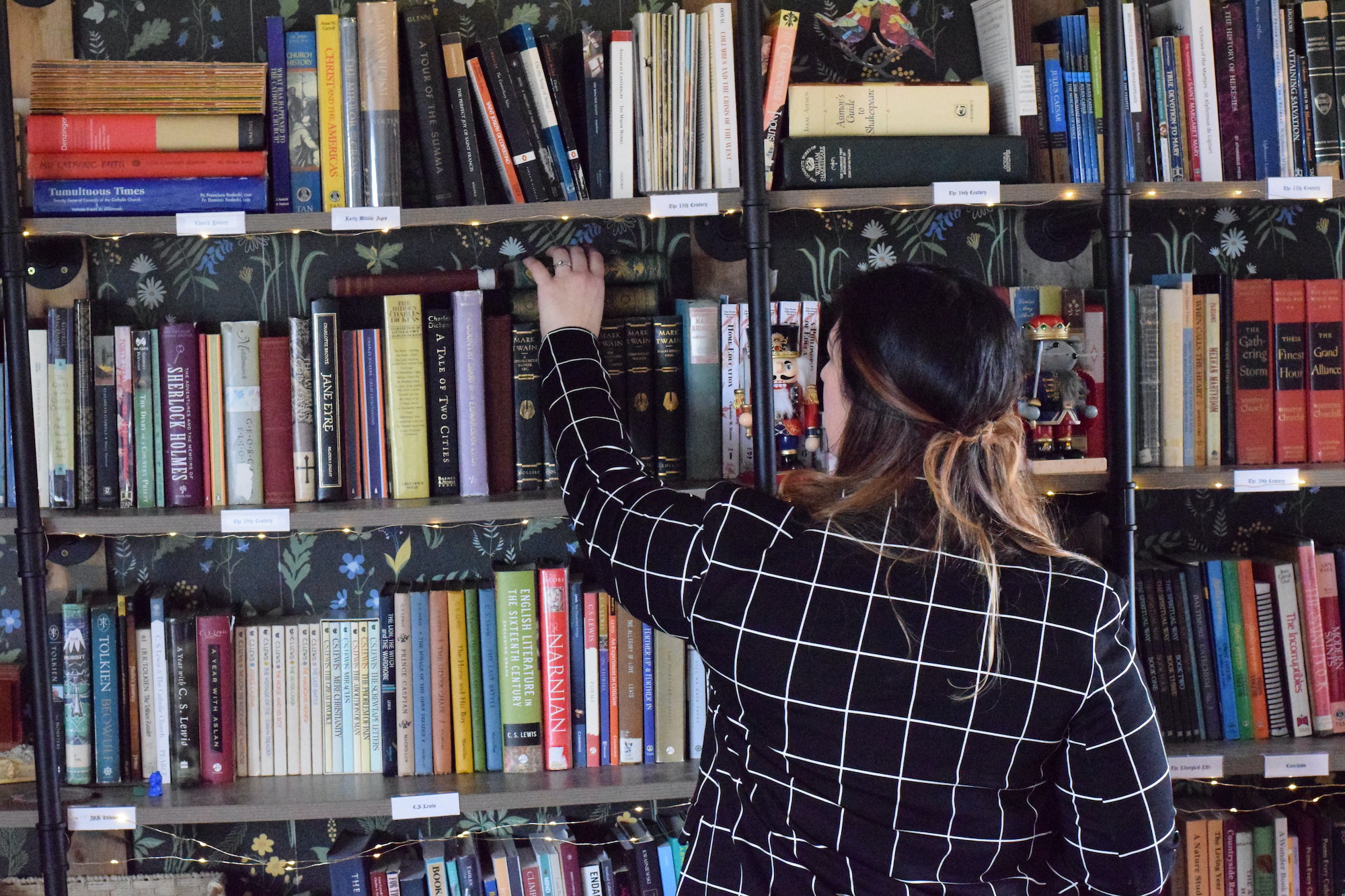
Hello, I’m Mary!
Creating a life of wonder at home
For our family, a Classical Charlotte Mason education has become about so much more than the lessons we complete each day.
Charlotte Mason described education as “an atmosphere, a discipline, a life,” and over the years, I’ve come to appreciate just how deeply those words reach into the life of the home. Our home education is rooted in our Catholic faith and enriched by the contemplative spirit of Carmel. And because of that, I’ve become increasingly interested in the place of wonder and contemplation within education.
Wonder doesn’t have to be reserved for extraordinary experiences. It can be cultivated in the very ordinary moments of our days: reading a beautiful living book together, observing something unexpected on a nature walk, pausing for a quiet moment of recollection, or allowing the liturgical year to shape the rhythms of our family life.
This is part of what I love about Charlotte Mason’s idea of offering children a generous feast. We place before them worthy ideas and encounters with what is True, Good, and Beautiful, not simply so they can acquire more knowledge, but because education participates in the formation of the whole person.
And I’ve discovered that this formation isn’t only for my children.
As a mother-teacher, I am still a student myself. Through mother’s scholé and my own continued education, I’m learning alongside my children, deepening my faith, and becoming more attentive to the presence of God within ordinary life. There is something beautiful about that. We aren’t simply educating our children while standing outside the process ourselves. We are being formed, too.
And perhaps that is one of the things I have come to love most about home education. Within the books, prayers, nature walks, conversations, lessons, interruptions, and ordinary duties of our days, there are countless opportunities to cultivate wonder and turn our attention toward Truth, Goodness, and Beauty…and ultimately toward God.

Rooted in Catholic Tradition & Classical Education
The Pursuit of Wonder
The pursuit of wonder begins with a heart that longs for Truth, Goodness, and Beauty. But I don’t believe wonder is meant to end with the created thing itself. If we follow it more deeply, wonder can turn our attention toward the Creator.
This understanding has become an important part of how I think about education, motherhood, and the life of the home.
My Catholic faith has always shaped the way I see the world, but my study of Carmelite spirituality has given me a deeper appreciation for contemplation, silence, and recollection. The Carmelite saints continually draw us inward, teaching us to seek God and become attentive to His presence even within the ordinary circumstances of our lives.
For a mother, those ordinary circumstances are very ordinary indeed.
There are children to teach, meals to prepare, laundry to wash, books to read, prayers to say, and countless little interruptions throughout the day. The contemplative life isn’t separate from these duties. I’m learning that they can become part of the very place in which we seek God.
And this has influenced the way I understand education as well.
When we teach our children to pay attention, to encounter worthy ideas, to observe creation carefully, to delight in beauty, and to seek what is true, we are cultivating something deeper than academic knowledge alone. We are helping to form their affections and directing their attention toward things worthy of contemplation.
That is the pursuit of wonder I hope to explore here at Joyfully Domestic.
Not wonder simply for wonder’s sake, but wonder that awakens a desire to know more, to contemplate more deeply, and ultimately to turn our attention toward God.


Love
01
Traditional Latin Mass
love
02
Classical Literature
love
03
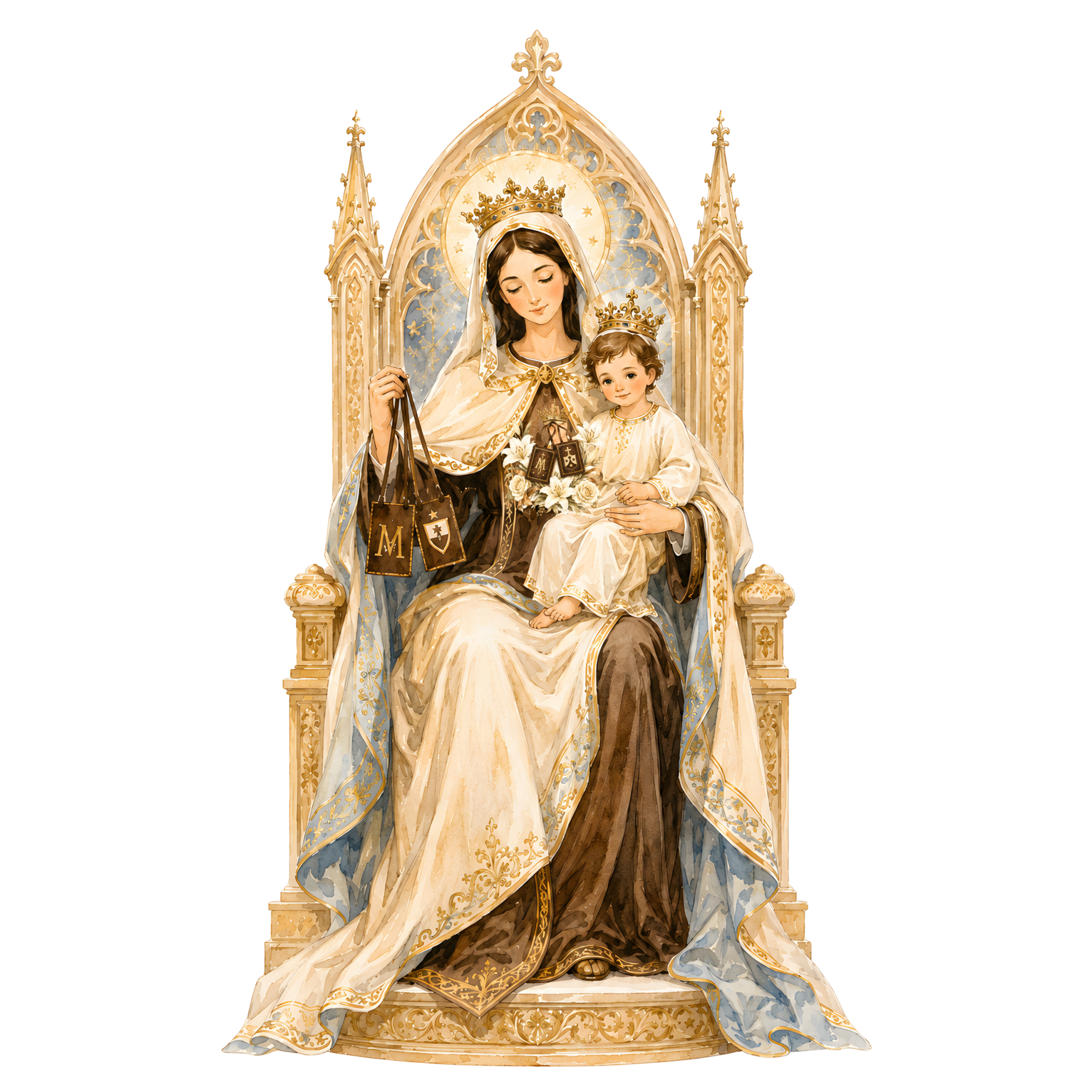
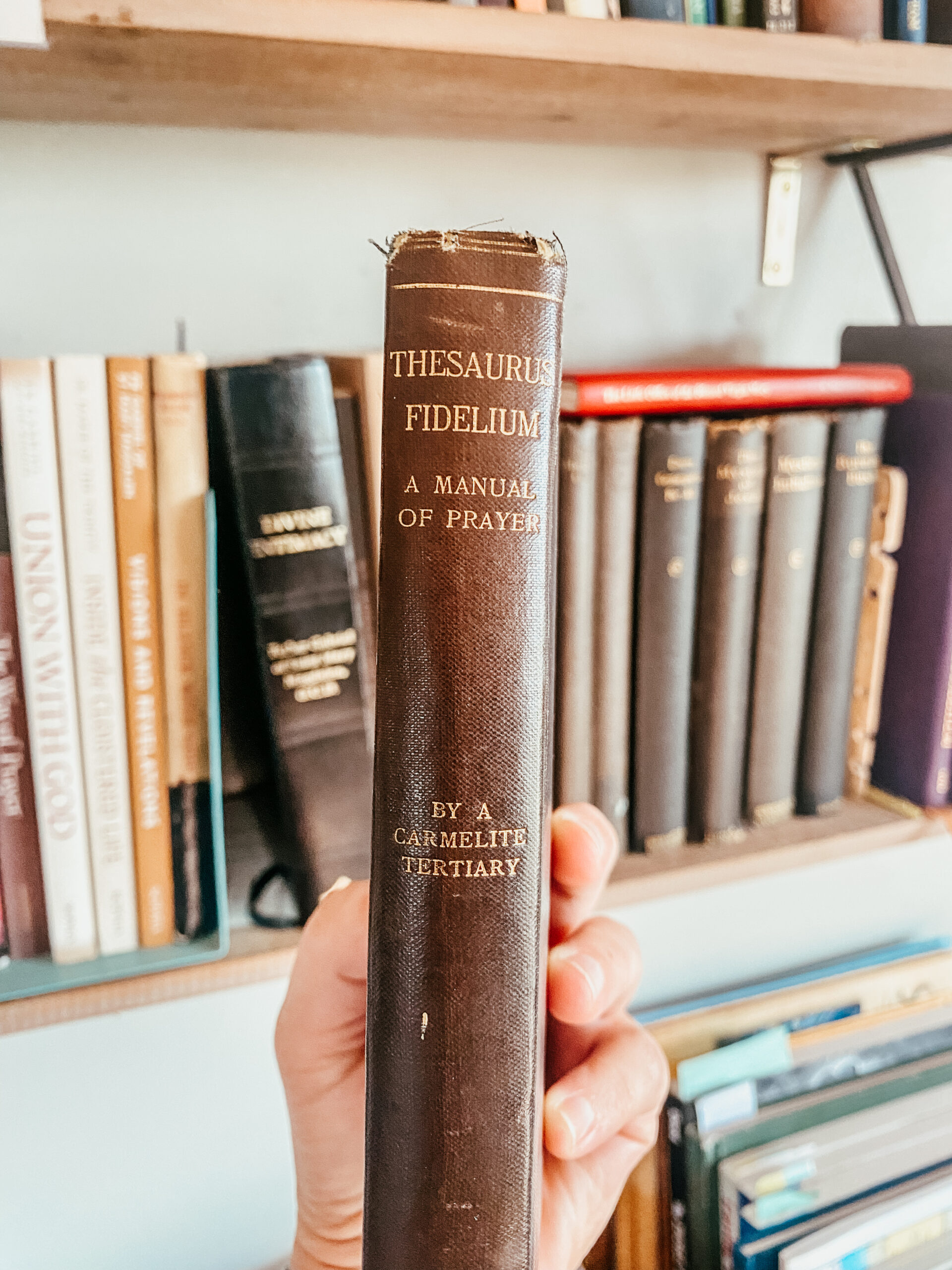
Carmelite Spirituality
love
04
Gardening + Cooking
love
05
Silence + Solitude
love
06
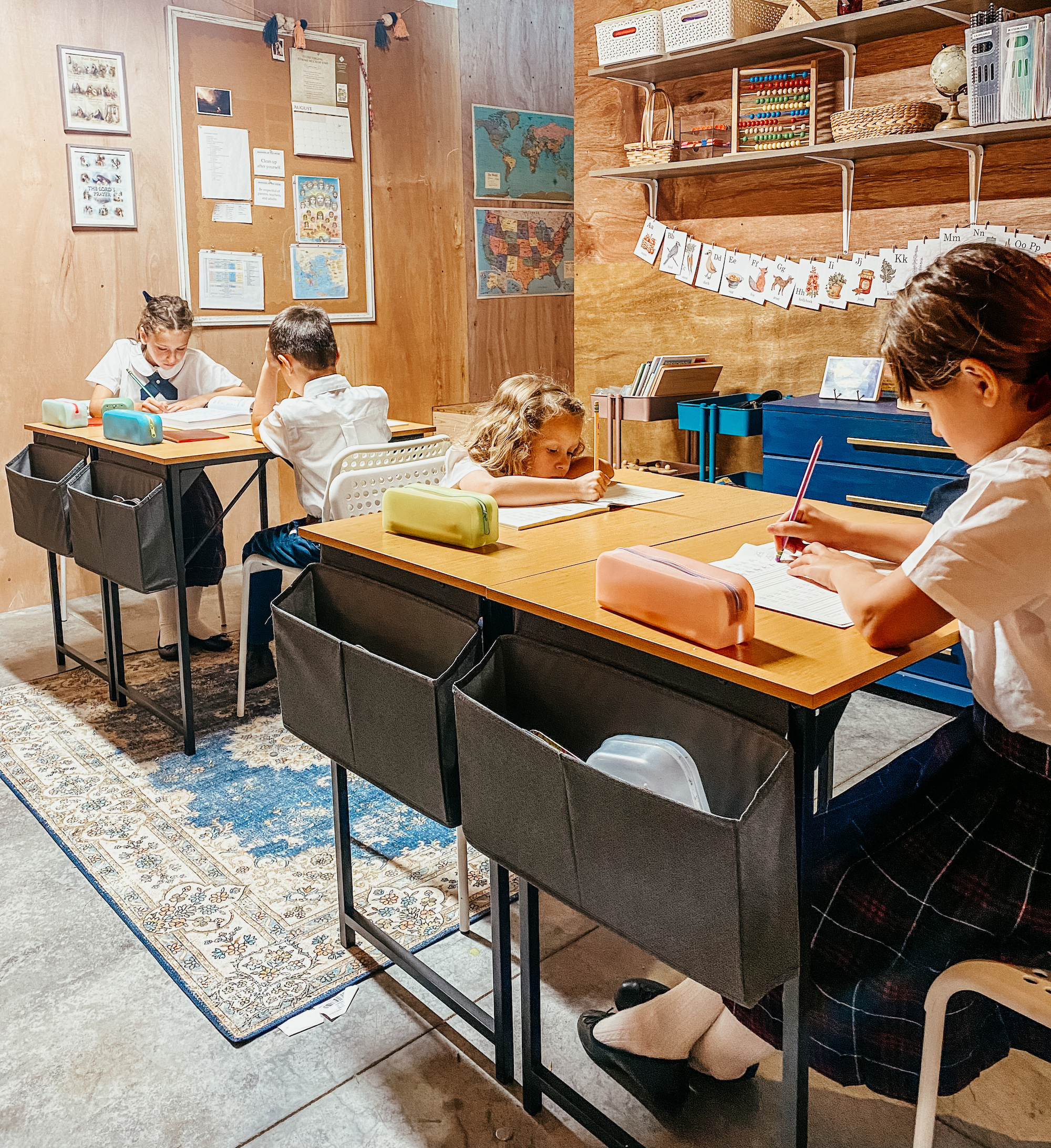
Charlotte Mason
Forming souls Through Wonder
When I think about why we have chosen to educate our children at home, my hopes for them reach far beyond what they will know by the time their education is complete. Of course, I want them to receive a rich intellectual education. I want them to read worthy books, encounter great ideas, observe the natural world carefully, and develop habits of attention and thought. But ultimately, I want these things to serve something greater.
I want my children to know and love their Catholic faith.
Within our home, the liturgical year, the lives of the saints, prayer, beautiful books, nature, music, art, and the ideas we encounter through our lessons aren’t meant to exist as disconnected pieces of an education. Together, they become part of the atmosphere and life of our family.
This is one of the reasons I find so much beauty in a Classical Charlotte Mason education. It gives us room to place a generous feast before our children while remembering that education is concerned with persons, not simply with how much material we can cover.
We can introduce our children to what is True, Good, and Beautiful. We can cultivate habits of attention. We can fill our homes with worthy ideas and give them opportunities to wonder, ask questions, contemplate, and discover. And through it all, we can pray that these things help cultivate in them a love for what is good and, above all, a deeper love for God.
That is the kind of education I hope to cultivate within my own home, and it is the heart behind so much of what I share here at Joyfully Domestic.